Live availability for your dates. Kotor pickups include the port, the bus terminal and in-town delivery.
Suited to the bay road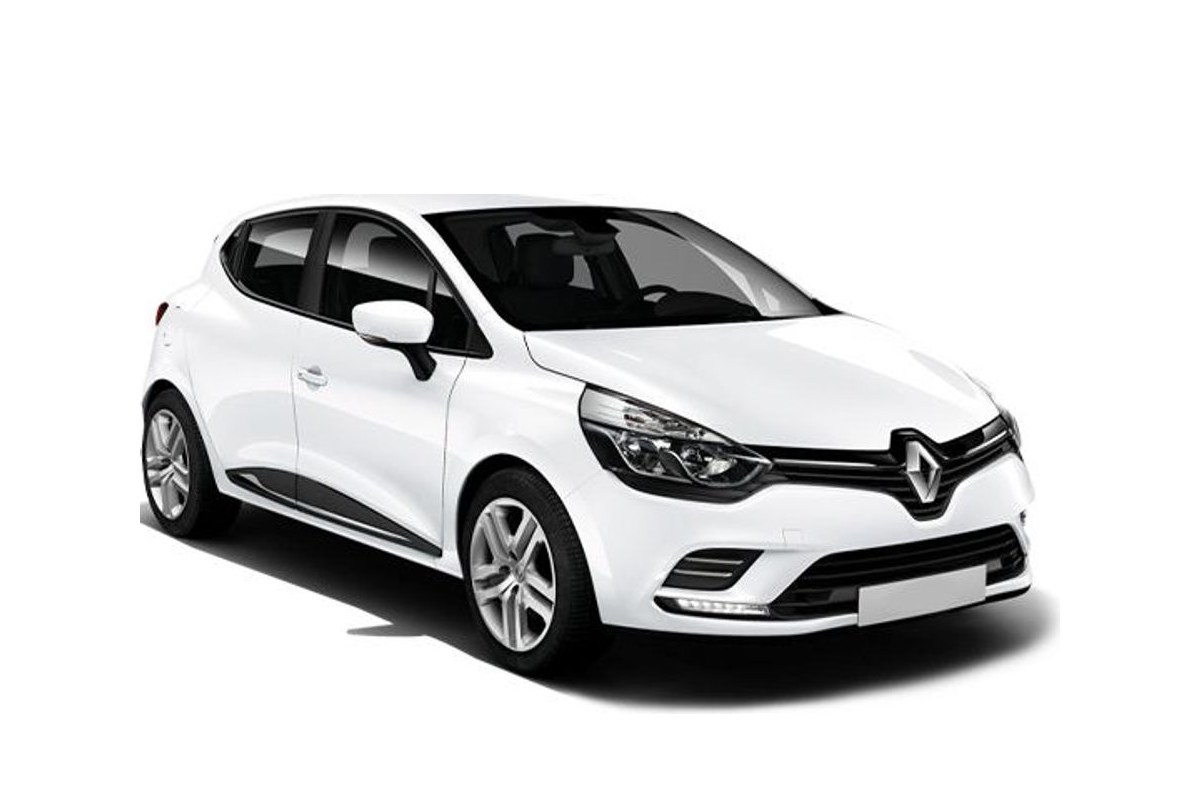
Hiring a Car for Kotor
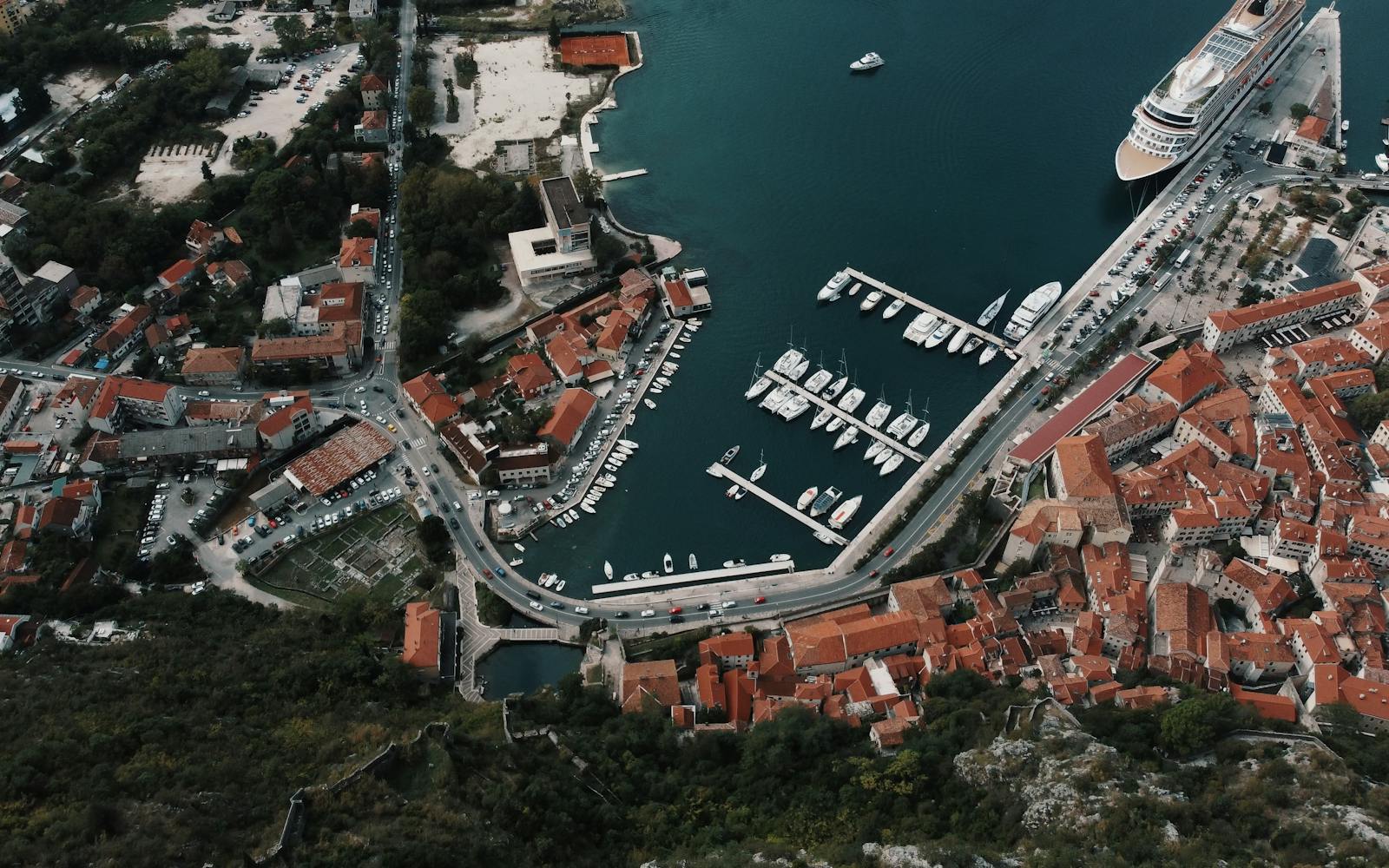
Kotor sits at the head of the bay with the cliff wall behind it and a walled Old Town that no car enters. That single fact shapes every rental decision here: you are not driving to a door, you are driving to a parking space and walking the last few hundred metres. Once you accept that, a car turns Kotor from a place you are stuck in into the base for the best driving in the country.
Most arrivals collect at Podgorica Airport and drive the 85 km in, roughly 90 minutes through the Sozina and Vrmac tunnels. Tivat is closer at 8 km, but flight availability and summer prices frequently tip the decision toward Podgorica. Collection can also be arranged in Kotor itself, which suits anyone who has come down by bus and decided on the second day that they want the freedom.
What Kotor Is Like to Drive In
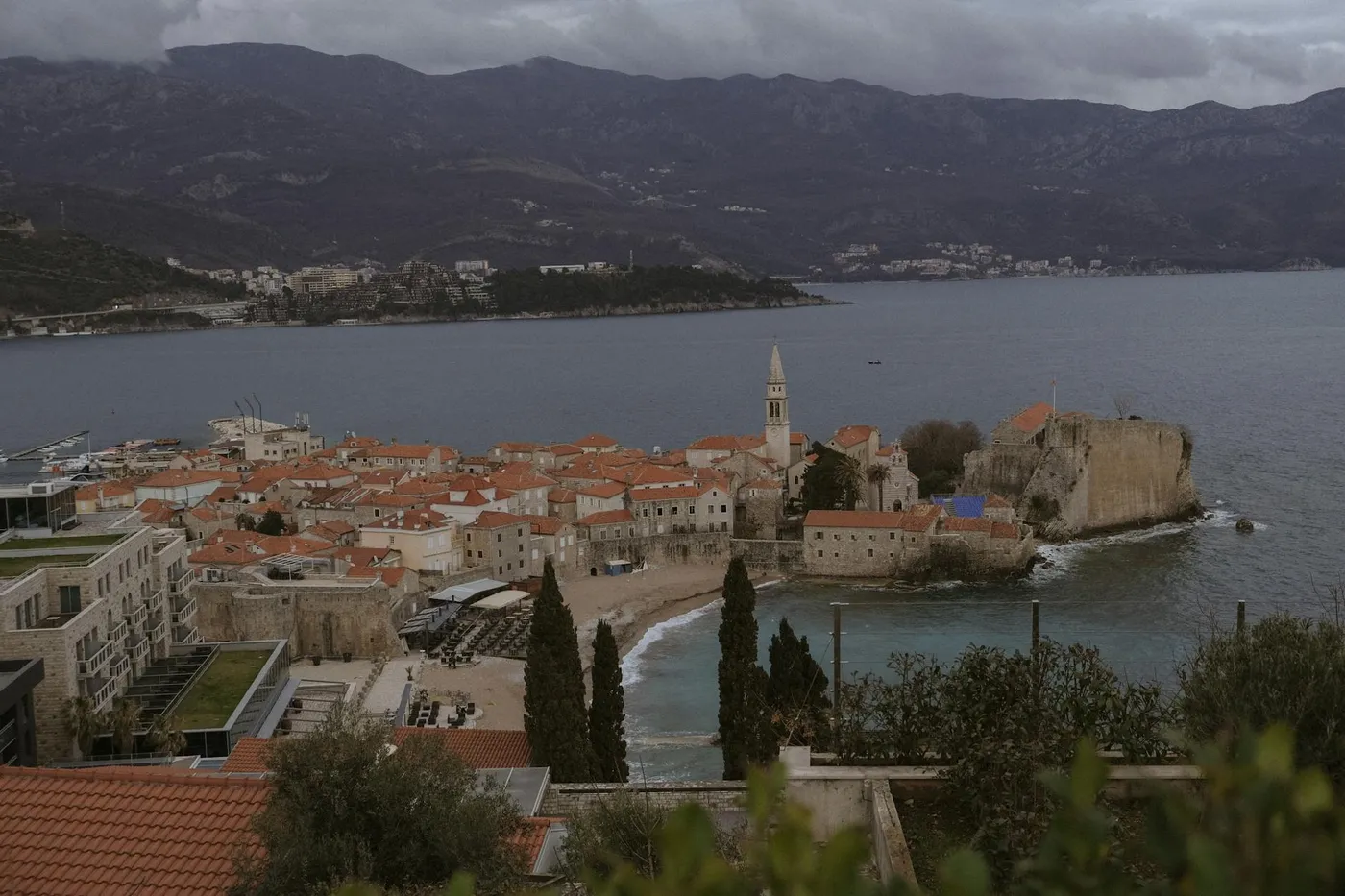
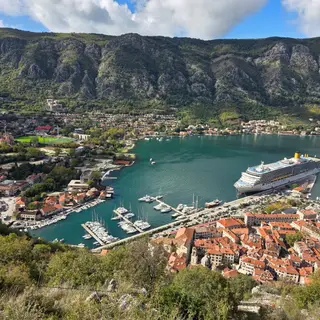
Kotor sits at the far end of the Bay of Kotor, a long flooded river canyon that reaches north from the Adriatic, with the walled Old Town pressed between the water and a near-vertical cliff wall. The town, like Perast further along the shore, is UNESCO-listed and medieval in layout, which is the polite way of saying the streets were built for people and mules. Nothing wider than a handcart was ever meant to get through the gates, and nothing does today.
The geography is what makes a car worth having and awkward at the same time. The bay has no shortcut across it, so every journey follows the shoreline round, and the road is beautiful, narrow and slow in equal measure. Distances here are short and times are long: a place ten kilometres away across the water, Tivat among them, can be half an hour by road. Budget by the clock rather than the map and the driving becomes a pleasure rather than a frustration.
Where to Collect Your Hire Car in Kotor
Kotor has five collection points and they are worth choosing between rather than defaulting to one. The Kameija mall and the Bus Terminal suit anyone arriving without a car already; Hotel Forza Mare and the Port suit anyone staying on that side of the bay; and city delivery brings the car to an address you give. Whichever you pick, the time is arranged around your arrival, and you need your licence, passport and booking reference and nothing else.
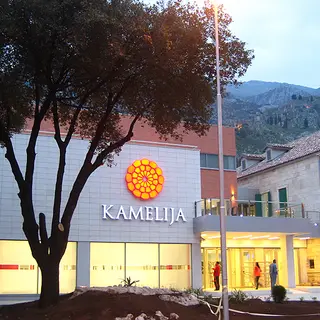 Kameija mall
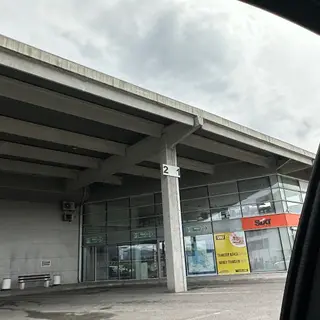 Bus Terminal
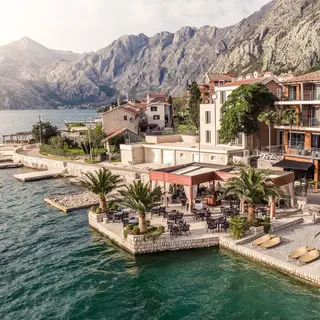 Hotel Forza Mare
 Port
Port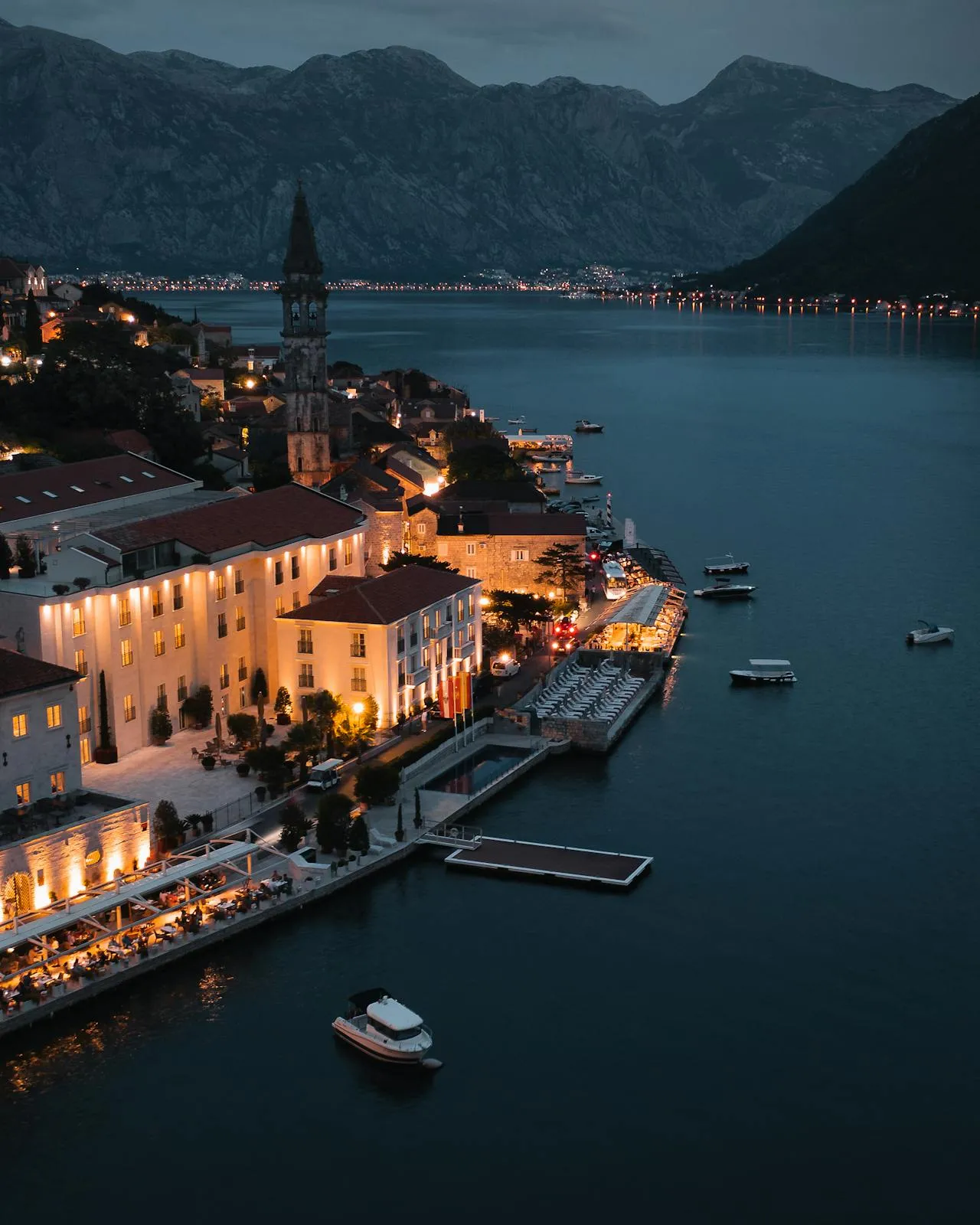 City delivery
You are not tied to the airport, though most people arriving by air collect there and drive in. If it suits the trip better, take the car here and skip the drive down, or collect at Podgorica Airport on the way in and drop it here at the end. One-way within Montenegro is available, and the combinations are confirmed with the booking.
Parking and Returning Your Rental Car
So the question is where you leave it. The lots outside the main gate fill through the morning in summer, and the bays are tight enough that a compact is materially easier to place than an estate once one is half full.
The practical approach is to park once and plan around it rather than moving the car through the day. If the closest lots are full, the ones a short walk further out generally still have space when the waterfront does not, and the walk is shorter than the time spent circling.
If you would rather not think about it at all, city delivery brings the car to your address and you deal with parking on your own terms, at your accommodation, rather than on arrival.
Driving into Kotor: The Three Routes
From Tivat the road follows the eastern shoreline through Dobrota. It is well surfaced and slow rather than difficult, with a stream of pedestrians and parked cars along the waterfront, so it punishes impatience more than inexperience.
From Budva and the south you climb briefly and drop through the Vrmac tunnel, emerging directly above the inner bay. The descent on the Kotor side is sharp enough that you want to be in a low gear rather than on the brakes the whole way down. It is the reason a lot of people who booked a manual wish they had not.
The Lovcen serpentine leaves from the back streets behind the Old Town and climbs the cliff wall in a stack of hairpins. It is single track in places with no barrier, and it is spectacular. It is also entirely optional, and if hill starts on a gradient are not your idea of a holiday, the automatic is worth booking for this road alone.
Check what is available in Kotor for your dates before reading on. Availability on the coast moves fastest in July and August, and automatics go first.
Free cancellation more than 24 hours before pickup.
Which Rental Car Suits the Bay
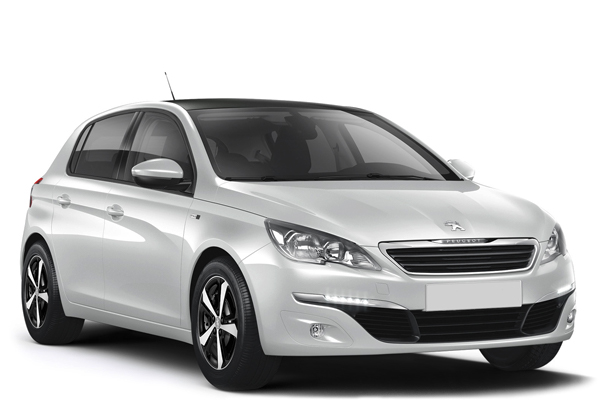
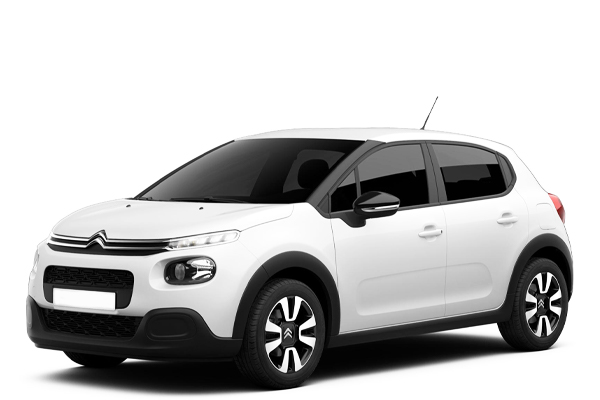
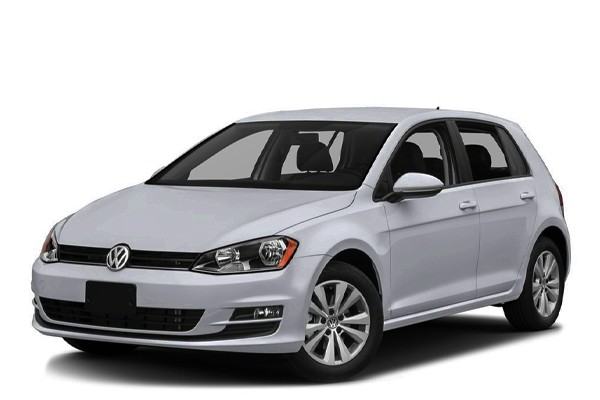
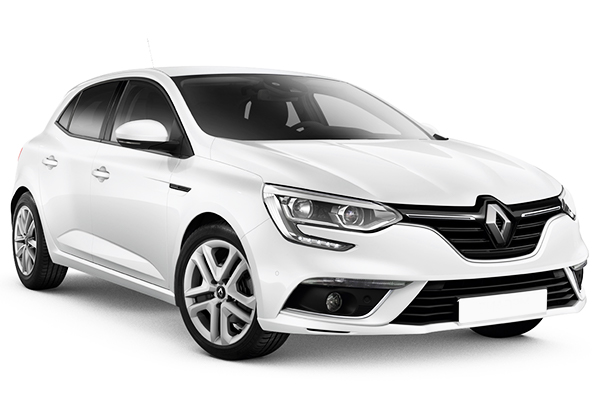
Smaller than you think. Nothing on these roads asks for ground clearance, and the two places a car is genuinely tested here, the waterfront parking bays and passing on the serpentine, both reward something narrow. The gearbox matters more than the size: the Vrmac descent and the Lovcen climb are the two arguments for an automatic, and automatics are the first class to sell out in summer.
Car Hire Insurance and Border Crossings
Third-party liability comes on every car. Beyond that you choose your level of cover at checkout, and the top tier holds no deposit at all, which is the one most people take when the week includes the serpentine or a mountain day. Kotor makes a specific case for thinking about it: the tight waterfront bays and the narrow bay road are where the small, annoying damage happens, and glass and wheels are the parts that are easiest to catch on a kerb here.
If Croatia, Bosnia, Albania or Serbia are in the plan, cross-border approval has to be added to the booking and the Green Card issued for the car before you collect it. Herceg Novi is forty minutes from Kotor and the Croatian border about an hour, so this is a more common requirement here than it is around Podgorica. It cannot be arranged at the barrier.
When a Car Helps Most
In July and August a car is worth most for what it lets you leave. The Old Town is at its busiest and the waterfront lots are full by mid-morning, so the value is in driving out early to the quieter parts of the bay and coming back in the evening. Park once at Skaljari and plan around it.
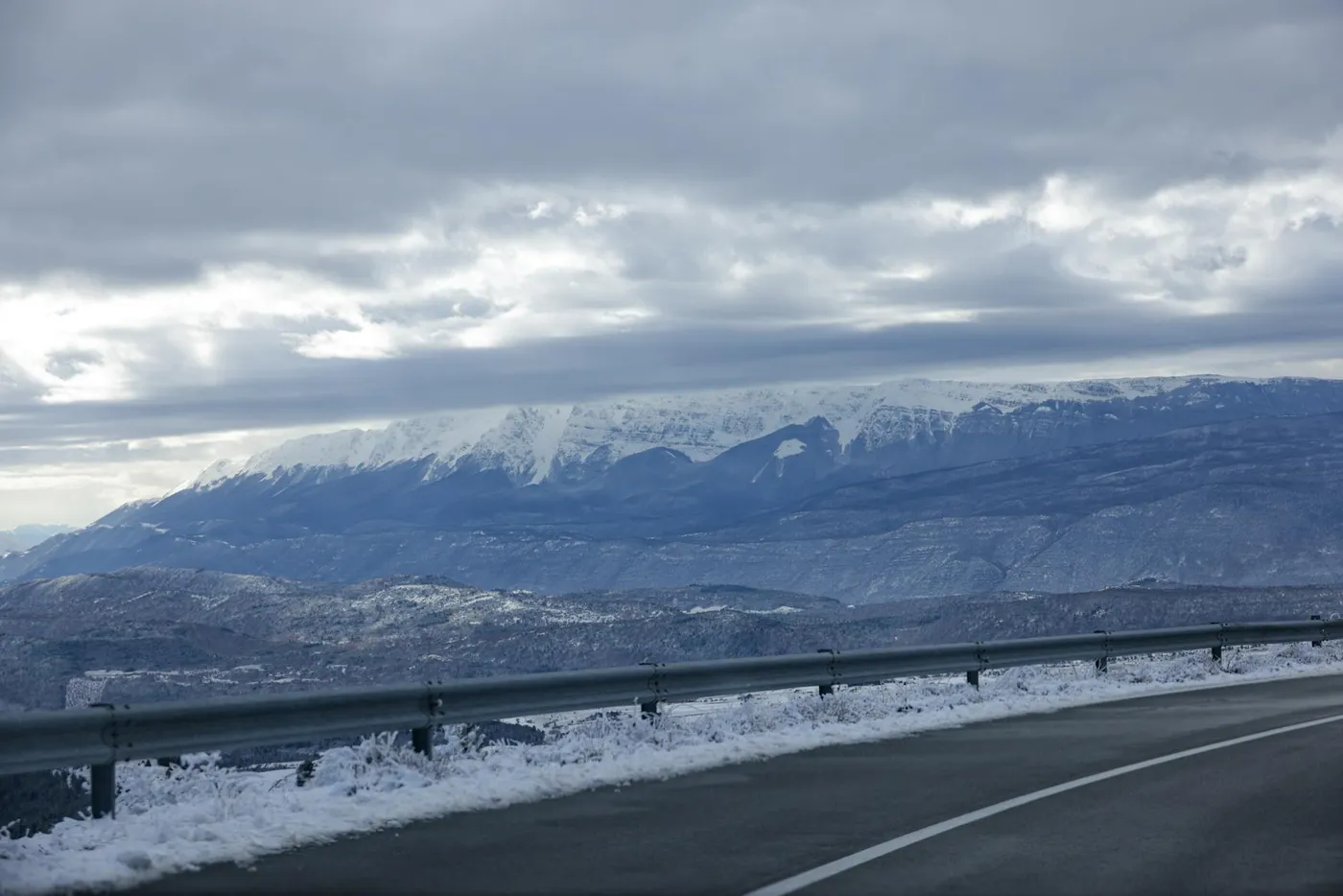
From October to April the calculation inverts. The lots are empty, the bay roads are clear, and the coast is quiet enough that a car stops being a parking problem and becomes the only practical way to see anything. Winter tyres are on the cars through the cold months, which matters if you are pairing Kotor with the mountains.
What You Can Reach by Car from Kotor
<a href="{{LP:/perast}}">Perast</a> is fifteen minutes north along the waterfront, and you park at the entrance and walk in, exactly as you do in Kotor. Cetinje is about an hour north through Lovcen National Park on the serpentine road, or longer and much easier the way round through Budva. Budva is forty minutes and Podgorica Airport ninety.
How far to everywhere elseCheck availability for the bay and the serpentine.
Free cancellation more than 24 hours before pickup